



Discover Bad Bederkesa
A Place Between Lake, Moor and History
Bad Bederkesa is a place where nature and history come together in a special way. Around Lake Bederkesa, the historic castle and the vast moor landscapes, visitors will find a peaceful setting that is ideal for walking, cycling and exploring.
The village looks back on a long history and was an important centre of the region for many centuries. Today, Bad Bederkesa invites visitors to discover the landscape between geest, moor and the North Sea at a relaxed pace – with its castle, the lake, the spa park and the surrounding natural areas.

In the centre of Bad Bederkesa stands one of the few preserved moated castles in northern Germany: Bederkesa Castle. Its history dates back to the Middle Ages and tells the story of power struggles between the nobility and rising trading cities.
In the 14th century, the castle belonged to the Lords of Bederkesa, a noble family with considerable influence in the region. However, their power did not remain unchallenged for long. The growing trading city of Bremen sought to expand its influence in the Elbe-Weser region – and with it control over Bederkesa.
Conflicts arose between the citizens of Bremen and the Knights of Bederkesa. In 1381, Bremen finally succeeded in capturing the castle. From then on, it served as Bremen’s administrative centre in the region.
For many centuries afterwards, the moated castle played an important role in trade, administration and the protection of the surrounding areas. Today it houses an archaeological museum and reminds visitors of a time when small places like Bederkesa were part of major political power struggles.

Lake Bederkesa shapes the landscape of Bad Bederkesa like hardly any other place. As one of the largest lakes in the Cuxland region, it developed from the surrounding moor landscape and today forms a peaceful natural area on the edge of the historic village centre.
A circular path runs along the shore and invites visitors to enjoy walks with wide views across the water. Small jetties, viewing points and quiet spots make the lake a popular place for a short break in nature.
Whether in the early morning when mist drifts across the water, or in the evening as the sun sets, Lake Bederkesa reveals a particularly calm and natural side of Bad Bederkesa.

The windmill of Bad Bederkesa is one of the village’s most distinctive landmarks. The gallery Dutch windmill was built in 1881 and served for many years to grind grain from the surrounding region.
Today, it is a popular destination for a short walk. From the hill, visitors can enjoy wide views across Bad Bederkesa and the surrounding geest landscape.

The addition “Bad” in the name is no coincidence: Bad Bederkesa looks back on a long tradition as a moor spa town. For many years, the region’s natural moor was used for therapeutic treatments intended to promote relaxation and well-being.
The moor landscapes surrounding the village still shape the character of the region today. They are not only a special habitat for numerous plant and animal species, but also an important part of Bad Bederkesa’s history.
Although the spa town has changed over time, its name still reflects this tradition and the close connection between the village and its unique moor landscape.

The region around Bad Bederkesa is characterised by a remarkable diversity of landscapes. Here, geest hills, vast moorlands and the nearby North Sea come together – a combination that makes the Cuxland region so unique.
While the geest with its gentle hills and wooded areas offers a varied setting for walks and cycling tours, the wide moor landscapes with their distinctive nature begin just a few kilometres away. The North Sea and the UNESCO World Heritage Wadden Sea are also easily accessible from here.
This mix of water, moor and geest landscapes makes Bad Bederkesa an ideal starting point for discovering the diverse natural scenery between the Elbe and the Weser.
Bad Bederkesa is a state recognised health resort in the Cuxhaven district, located in the heart of the Elbe-Weser region. The town combines history, nature, and relaxation, featuring a medieval moated castle, an idyllic lake, vast moorlands, and a long tradition as a peat spa destination.
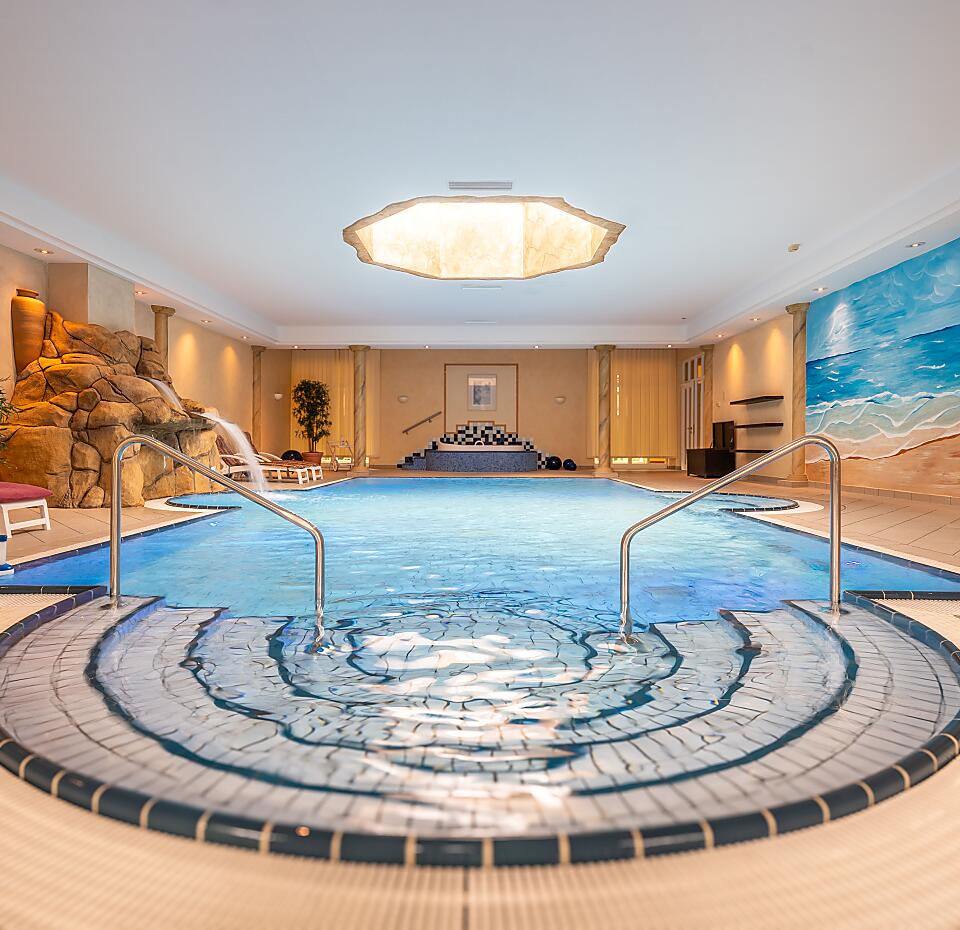
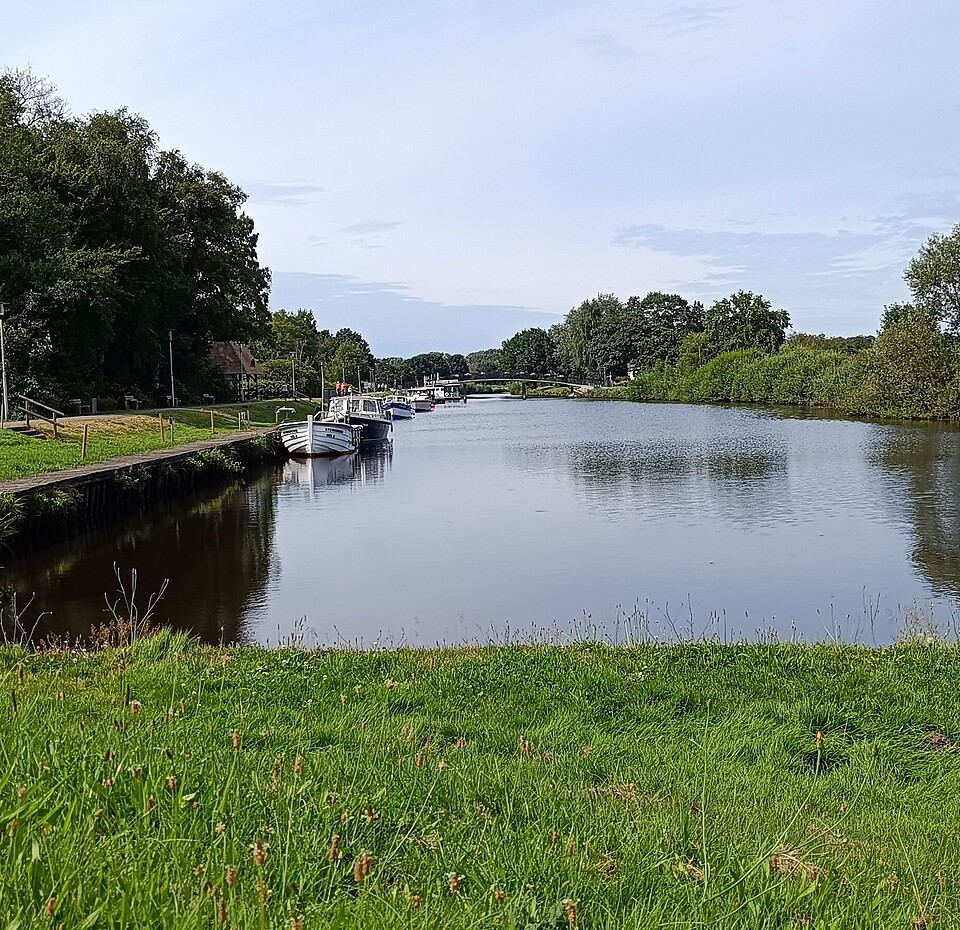
The town offers many activities, including walks around Lake Bederkesa, a visit to Bederkesa Castle with its archaeological museum, views from the historic windmill, paddling on the Hadeln Canal, adventure golf, and the Moor Spa for swimming and relaxation.
Bederkesa Castle is one of the few surviving moated castles in northern Germany. It dates back to the Middle Ages and came into the possession of the Hanseatic City of Bremen after a power struggle in 1381. Today, it houses an archaeological museum and is one of the region’s landmarks.
The title “Bad” refers to the town’s long tradition as a peat spa resort. The natural peat from the region was used for therapeutic treatments for many decades. This history continues to shape the character of the town today.
Hamburg is approximately 90 minutes away, while Bremen can be reached in about 60 minutes. This makes Bad Bederkesa an ideal short break destination, conveniently located between the two cities and easily accessible from across northern Germany.


